Building Your First Supplement Routine: A Practical Guide
Confused about supplements? Learn how to build a simple, science-backed routine that actually fits your life—without the overwhelm or empty promises.
Editorial Team
Published 26 April 2026
Let's Talk About Supplements (Without the Noise)
If you've ever stood in a pharmacy aisle staring at rows of supplement bottles, feeling both hopeful and skeptical—you're not alone. Between the Instagram ads promising miraculous transformations and your friend swearing by some exotic powder, it's exhausting trying to figure out what actually works.
Here's the truth: supplements aren't magic. But when chosen thoughtfully, they can genuinely support your health goals. Let's cut through the confusion and build something that makes sense for you.
What Makes a Supplement "Clean" Anyway?
Before we dive into specific supplements, let's address something important: not all supplements are created equal.
Clean supplements focus on:
- Transparency in sourcing: Knowing where ingredients come from
- Minimal additives: No unnecessary fillers, artificial colors, or sketchy preservatives
- Third-party testing: Independent verification of what's actually in the bottle
- Honest labeling: Clear information about dosages and ingredients
This matters because the supplement industry isn't as tightly regulated as pharmaceuticals. Choosing clean options means you're getting what you pay for—and nothing you don't want.
The Foundation: Three Supplements Worth Considering
Ashwagandha: Your Modern Stress Manager
Let's start with something many of us need: stress support. If your mind races at 11 PM or you feel constantly wired, ashwagandha might be worth exploring.
This ancient Ayurvedic herb has been used for centuries, and modern research suggests it may help:
- Support healthy cortisol levels (your main stress hormone)
- Improve sleep quality
- Enhance mental clarity during demanding days
Ashwagandha works best when taken consistently, typically in the evening. Think of it as a gentle nudge toward calm, not a knockout pill.
Practical tip: Start with a moderate dose and give it 2-3 weeks to notice effects. It's subtle but meaningful.
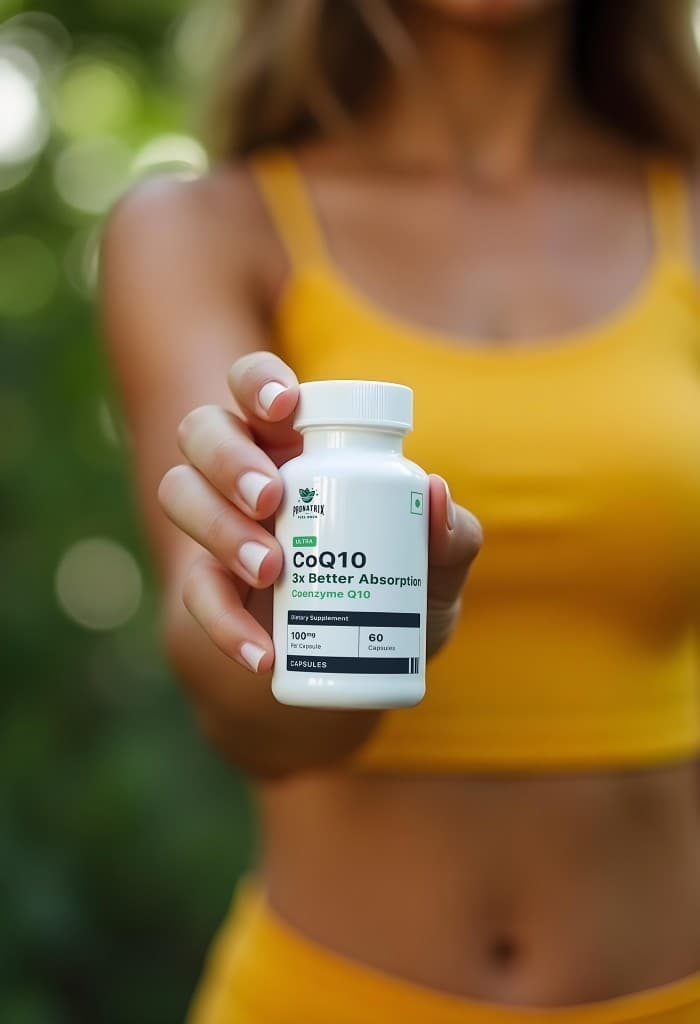
CoQ10: Energy at the Cellular Level
Ever wonder why some days you just feel... flat? CoQ10 might be part of the answer.
This molecule powers your cells, especially in energy-hungry organs like your heart. Your body makes it naturally, but production decreases with age (especially after 30).
CoQ10 supports:
- Cardiovascular health
- Natural energy production
- Recovery from physical activity
It's particularly relevant if you're juggling work deadlines, gym sessions, and family responsibilities—all while trying to avoid that 4 PM coffee dependency.
Practical tip: Take CoQ10 with a fat-containing meal for better absorption. Morning or afternoon works well.
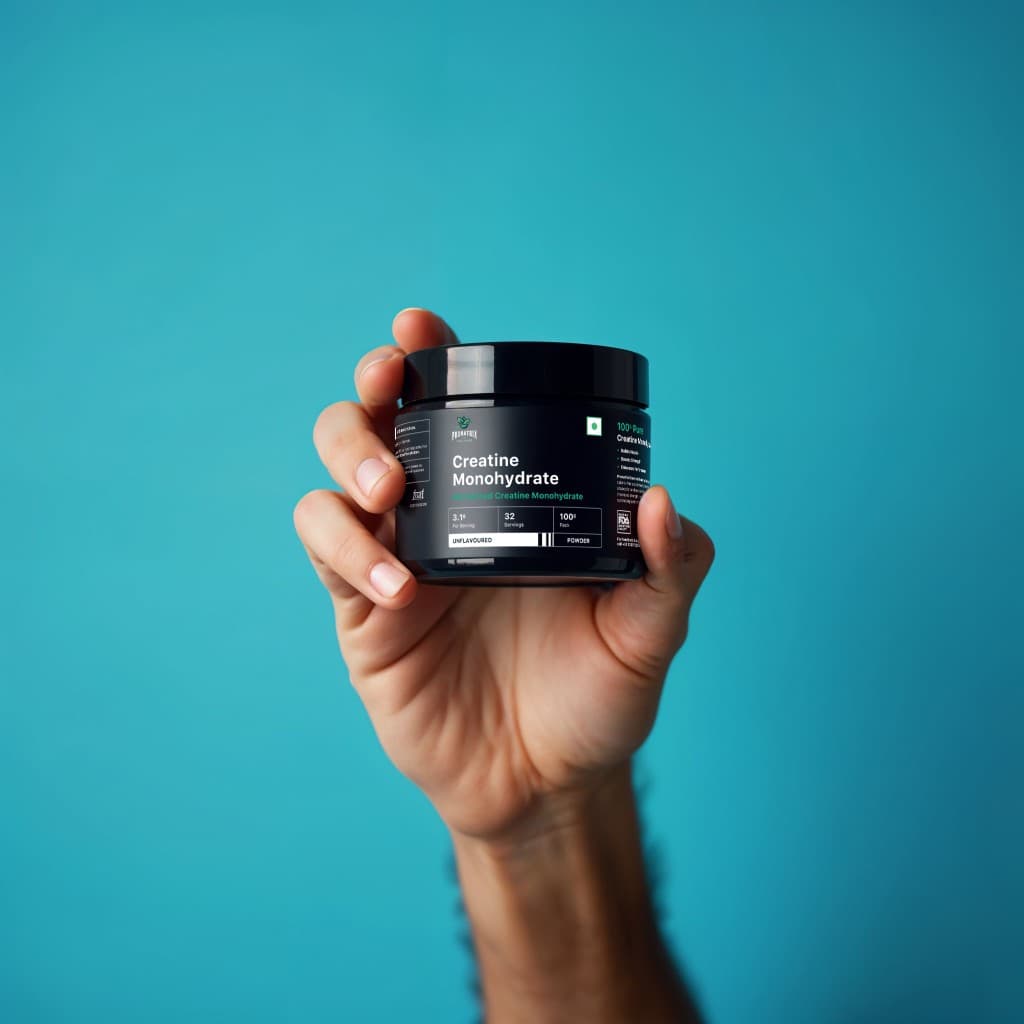
Creatine: Not Just for Bodybuilders
Yes, really. Hear me out.
Creatine has unfairly been pigeonholed as a "gym bro" supplement, but research shows benefits beyond muscle building:
- Enhanced cognitive function during mentally demanding tasks
- Improved exercise performance (even for yoga or running)
- Better recovery between workouts
- Potential mood support
Your brain uses energy too—lots of it. Creatine helps ensure that energy is readily available.
Practical tip: A simple 3-5g daily dose works for most people. No "loading phase" needed, despite what you might hear.
Building Your Routine: Timing and Consistency
Here's where people often get overwhelmed. Keep it simple:
Morning routine:
- CoQ10 with breakfast (take with something containing fat like nuts or ghee)
- Creatine (can be mixed in water, coffee, or a smoothie)
Evening routine:
- Ashwagandha 1-2 hours before bed
Consistency beats perfection. Taking your supplements 5 days a week regularly is better than perfectly for 2 weeks, then forgetting about them.
What About Food First?
An important reality check: supplements should supplement, not replace, a decent diet.
You can't out-supplement:
- Poor sleep habits
- Chronic dehydration
- A diet consisting mainly of processed foods
- Lack of movement
Think of supplements as supporting actors, not the lead role. Get your basics right first—regular meals with protein and vegetables, adequate water, and reasonable sleep.
How to Actually Get Started
Don't try to overhaul everything at once. Here's a realistic approach:
- Identify your primary concern: Stress? Energy? Recovery? Start there.
- Choose one supplement: Get comfortable with it for 3-4 weeks.
- Add gradually: Once the first becomes routine, consider adding another.
- Track how you feel: Not obsessively, just general notes on sleep quality, energy, mood.
- Adjust as needed: What works changes with seasons, stress levels, and life phases.
The Reality Check
Supplements work slowly and subtly. You won't wake up transformed after three days. What you might notice after a few weeks:
- Falling asleep feels slightly easier
- You have steadier energy through your workday
- Recovery after exercise improves
- You handle stress a bit better
These aren't dramatic changes, but they compound. Small improvements in how you feel daily add up to significantly better quality of life.
Final Thoughts
Building a supplement routine doesn't need to be complicated or expensive. Start with one or two that address your specific needs, source them from transparent brands that test their products, and give them time to work.
Stay skeptical of miracle claims. Trust your experience. And remember—supplements are tools, not solutions. Used wisely alongside healthy basics, they can genuinely support your wellness goals.
Your future self will thank you for taking a thoughtful approach now.
This article is for educational purposes only and is not medical advice.
Sources
- pronatrix.comhttps://pronatrix.com
Written by
Editorial Team
Explore the Pronatrix range
If you are building a wellness routine, browse the full Pronatrix range and find what fits your day best.